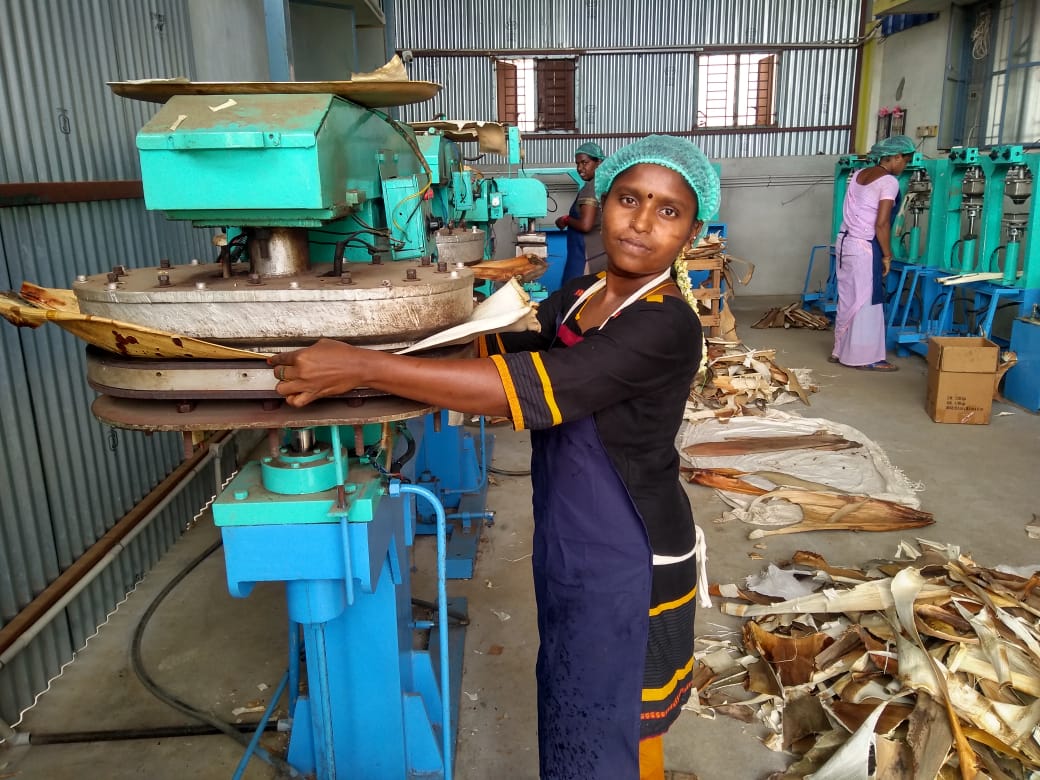

True environmental sustainability cannot exist without economic sustainability. A family struggling to meet basic needs will prioritise survival over conservation — every time, and rightfully so. That is why Prakritii Foundation's rural empowerment program isn't separate from our environmental mission. It is the foundation of it.
By working with rural women to build sustainable livelihoods through eco-friendly production, we create a powerful loop: economic independence reduces environmental exploitation, and environmental health improves the quality of rural life. One feeds the other.
The Problem We Set Out to Solve
In rural India, women often carry the highest burden of environmental degradation — they walk farther for water when rivers dry up, breathe the most smoke from biomass cooking, and lose the most when floods destroy crops. Yet they are consistently the least represented in environmental decision-making.
At the same time, rural women possess deep, generations-old knowledge of local ecosystems, plants, and sustainable practices — knowledge that is rapidly disappearing as traditional ways of living are displaced by industrial methods.
Our program is built on a simple conviction: when you empower a rural woman economically, you also empower her community environmentally.
"She doesn't need charity. She needs a platform, a skill, and a market." — Prakritii Foundation
What the Program Looks Like
Our rural empowerment initiative focuses on training women in eco-friendly production methods — creating products that use natural, locally sourced materials, generate income, and reduce dependence on harmful industrial alternatives.
- Natural product making — soaps, oils, and household products using locally available plant-based ingredients
- Waste upcycling — turning agricultural and domestic waste into useful, sellable products
- Organic farming support — guidance on chemical-free cultivation and composting techniques
- Market linkage — connecting women producers to buyers, NGO networks, and local markets
- Financial literacy — basic training on savings, pricing, and managing small business income
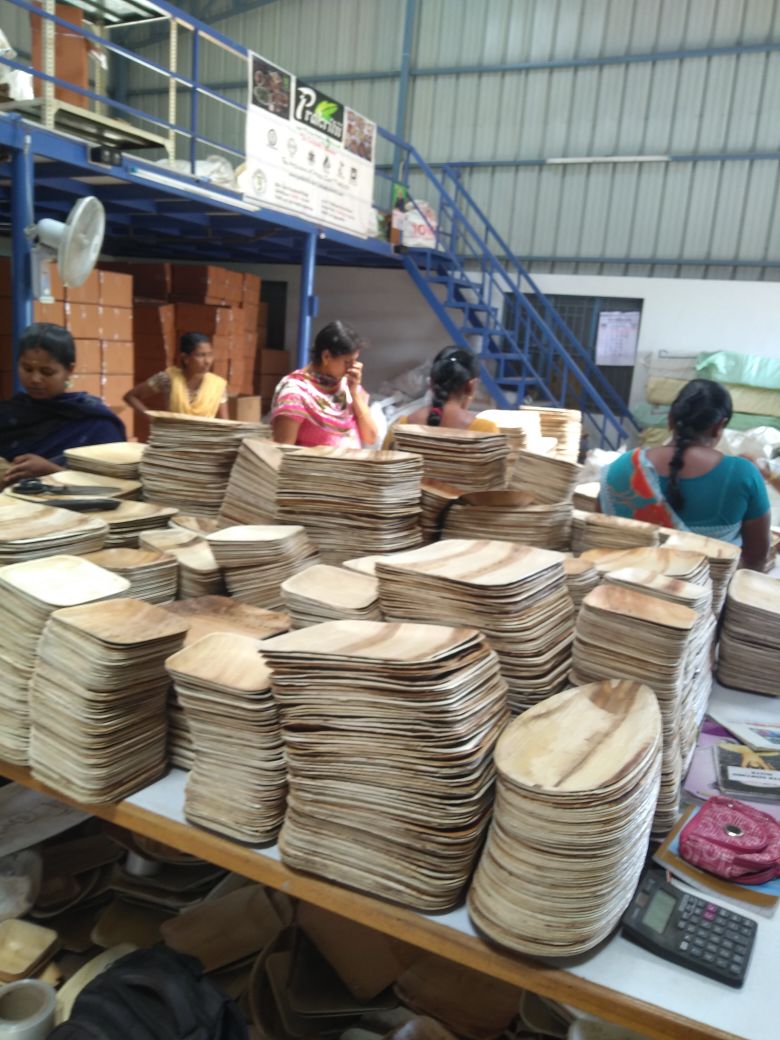
.jpeg)
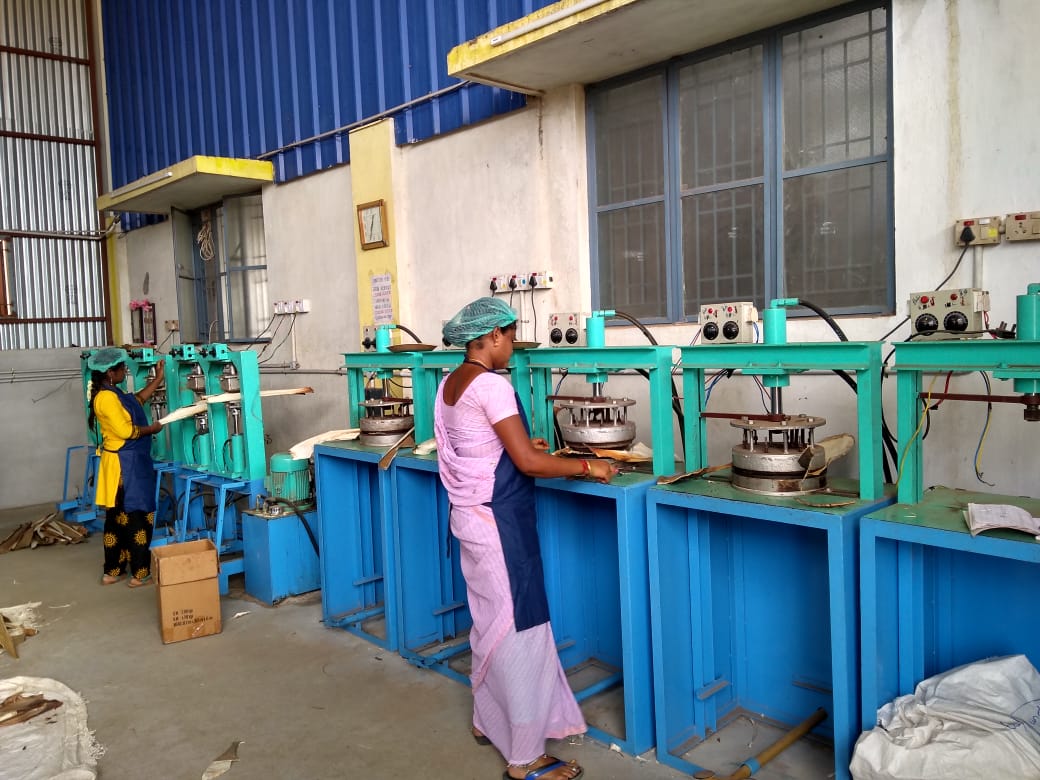
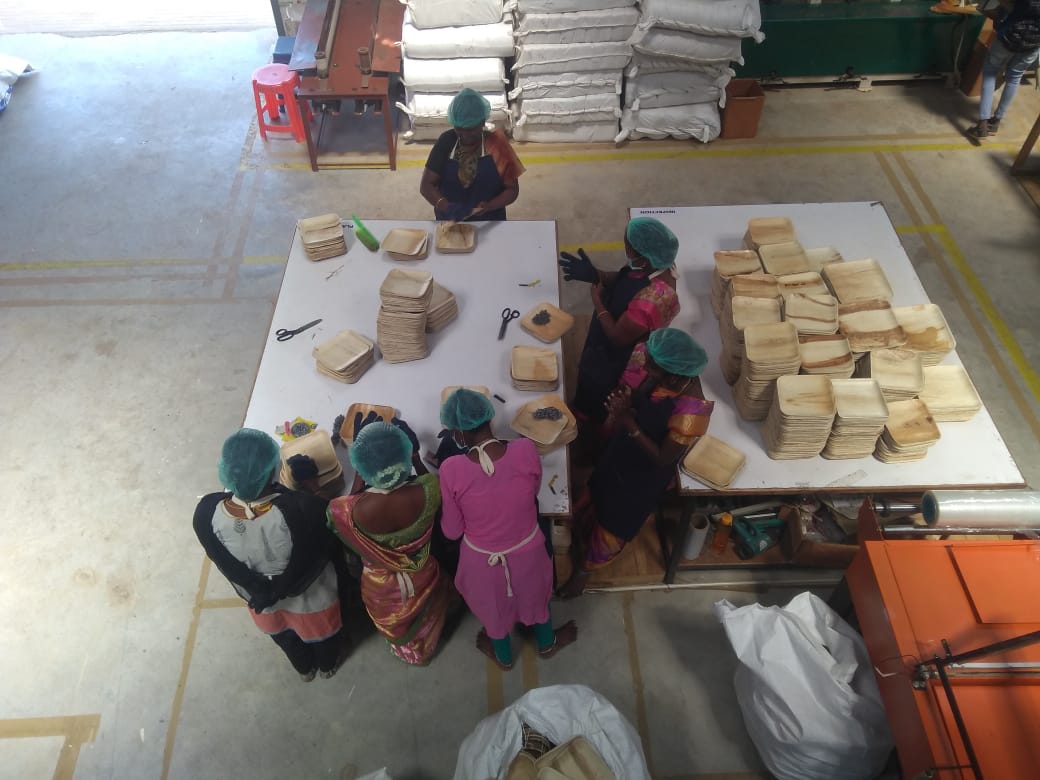
.jpeg)
.jpeg)
Stories from the Ground
Numbers tell part of the story. People tell the rest.
One participant — a woman in her late thirties who had never earned an independent income in her life — learned to make natural cleaning products from ingredients she already had access to. Within three months, she was supplying a small local market. For the first time, she had money she had earned herself. She used it to pay her daughter's school fees.
That is the multiplier effect of sustainable livelihood programs. The money earned doesn't just stay with one person — it ripples outward into education, nutrition, health, and community confidence.
Why Eco-Friendly Production Matters for the Environment
Every product made using natural methods is a product that doesn't add synthetic chemicals to soil, water, or air. At scale, rural eco-production is a genuine environmental intervention — not just a livelihood program with a green label.
We deliberately avoid introducing any production method that creates dependency on external inputs, generates non-biodegradable waste, or depletes local natural resources. Sustainability is not a feature of the program — it is the program.
Our principles for rural empowerment:
- Skills must be locally applicable — not dependent on supply chains that can break
- Products must use materials available in the region
- Income must be independent — not reliant on continued NGO support
- Environmental impact must be positive, not neutral
What's Next
Prakritii Foundation is working to expand this program to more villages, create a shared market platform for rural eco-products, and document traditional ecological knowledge held by rural women before it is lost forever.
If your company is looking for a meaningful CSR partnership that delivers both social and environmental impact — this program is exactly that.
Support Rural Women, Protect the Environment
Your contribution directly funds training, materials, and market access for rural women building sustainable livelihoods.